
Our Industrial Defect Detection system goes beyond simple “pass/fail” results. The AI agent utilizes advanced multi-class segmentation to categorize defects based on their severity and type. For instance, it can distinguish between a critical structural dent and a minor cosmetic scratch. By providing specific labels such as [DENT], [CRACK], or [CONTAMINATION], we offer actionable data for manufacturing process improvement. This classification allows your team to identify the root cause of production errors, optimize raw material usage, and reduce waste by only rejecting items that fail to meet specific integrity thresholds.
Instant Multi-Channel Alerts
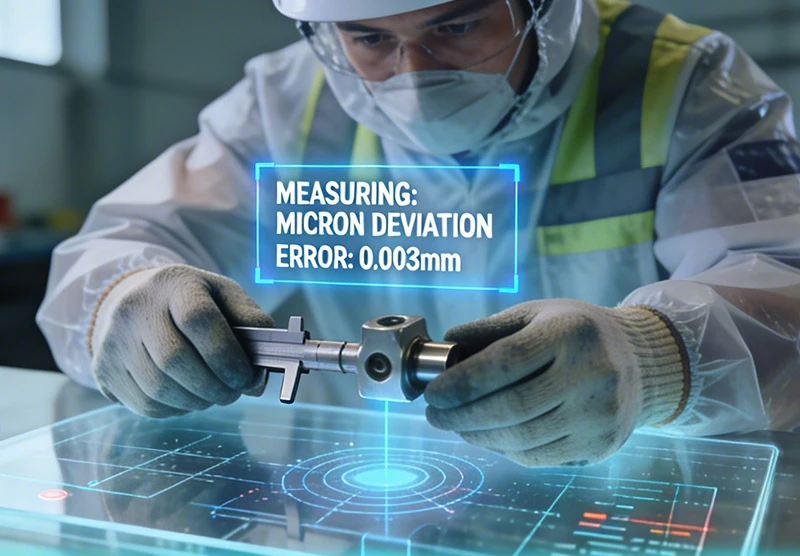
Precision is the core of high-stakes manufacturing. Our Industrial Defect Detection technology captures images at resolutions high enough to detect micron-scale anomalies that are invisible to the human eye. Whether it is a 0.003mm hairline fracture on a semiconductor wafer or sub-pixel delamination in aerospace composite materials, the TensorVox AI provides 100% inspection coverage. By integrating specialized coaxial and dome lighting, we eliminate glare and shadows, ensuring that every micron of a component’s surface is analyzed against a digital “Golden Sample” to maintain the strictest quality tolerances in the industry.
Multi-Item Detection
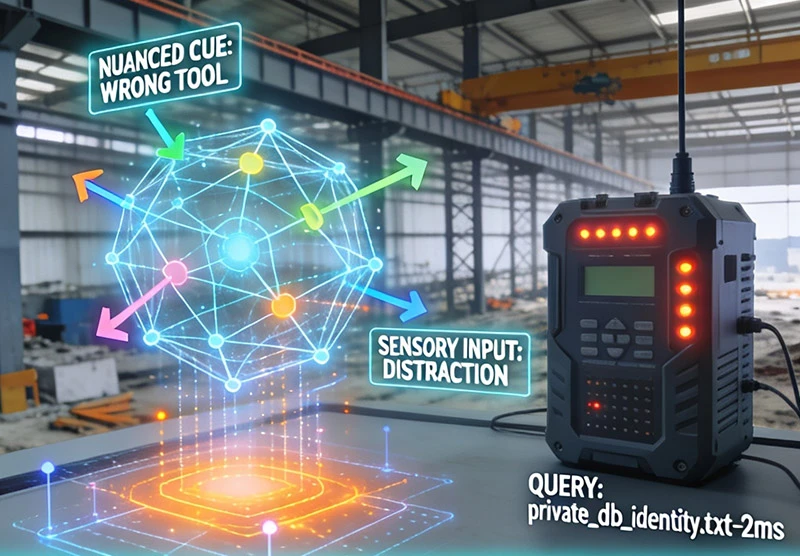
Speed should never compromise safety. Our Industrial Defect Detection solution is designed for high-throughput environments, processing visual data with sub-millisecond latency. Our AI agents can keep pace with rapid conveyor belts and high-volume SMT assembly lines without skipping a single frame. By utilizing edge computing and optimized neural networks, we ensure that real-time inspection occurs concurrently with production. If an anomaly is detected, the system triggers immediate hardware responses—such as pneumatic blowers or robotic sorters—ensuring that defective products are removed instantly while maintaining continuous workflow efficiency.
Real-Time Alerts
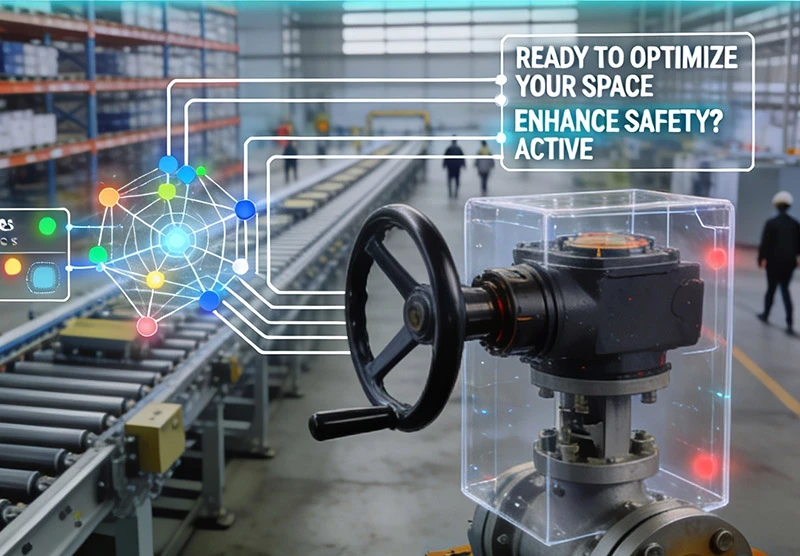
Traditional inspection systems are rigid, but our Industrial Defect Detection models are adaptive. Powered by deep learning, our AI agents continuously evolve. As they encounter new materials or novel defect patterns, the system updates its internal logic to improve detection accuracy and reduce false positives. This self-learning capability means the system becomes more specialized to your unique production environment over time. Users can easily retrain models using historical data, ensuring that your quality control infrastructure remains future-proof as you introduce new product lines or transition to more complex manufacturing processes.
Smart Dashboard
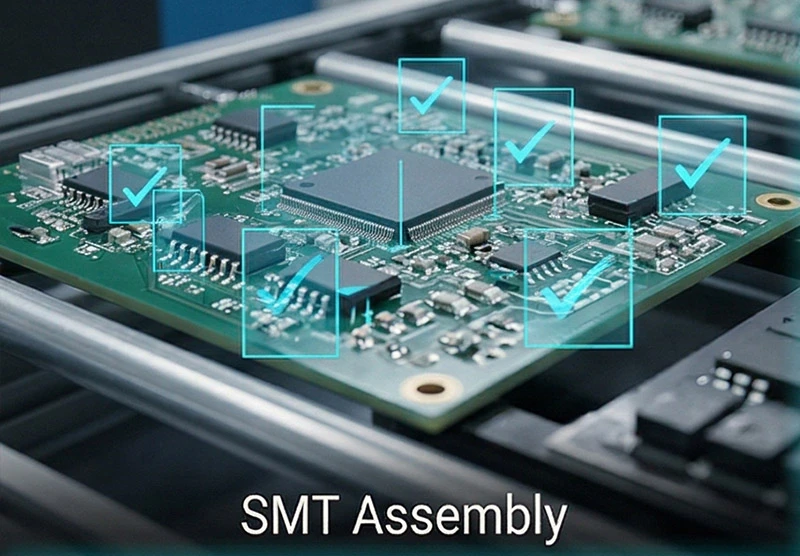
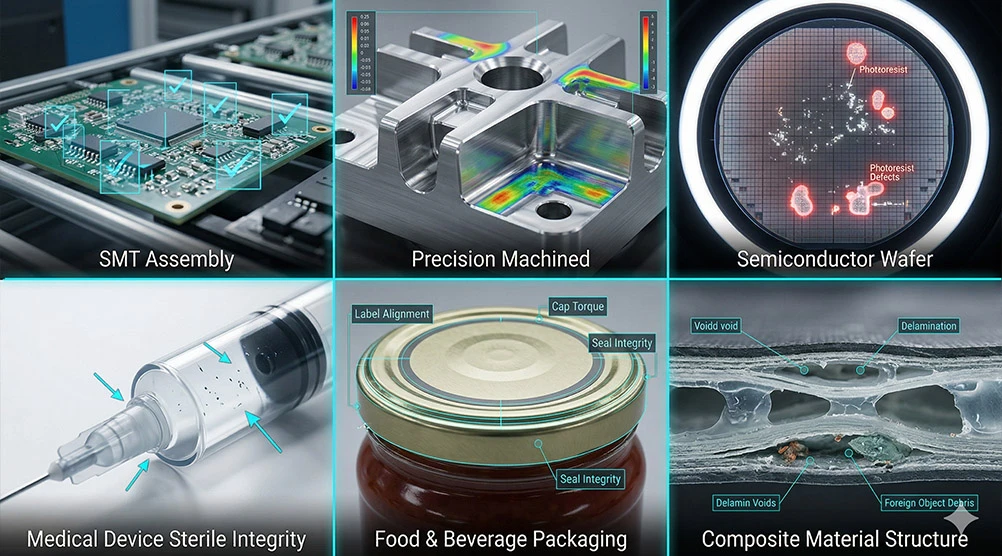
Electronics & SMT Assembly
Industrial Defect Detection-Automating the inspection of solder joints, missing components, and component polarity on Printed Circuit Boards (PCBs).
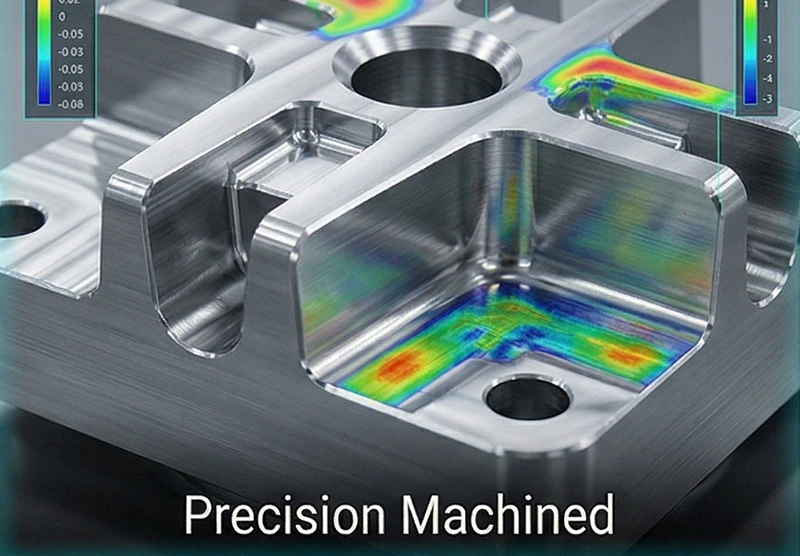
Precision Machined Parts
Industrial Defect Detection-Detecting microns-scale scratches, dents, and surface finish issues on high-tolerance aerospace or medical components.
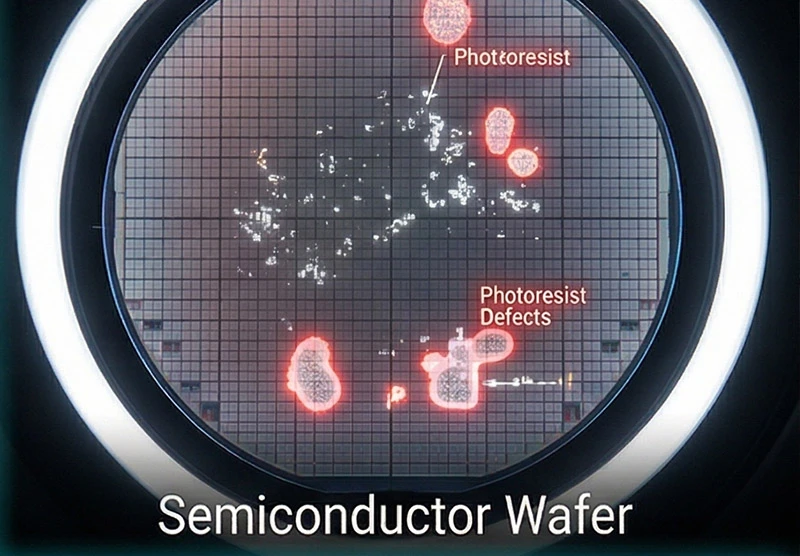
Semiconductor Wafer Defects
Industrial Defect Detection-Real-time analysis of wafer surfaces for macro and micro defects, including particle contamination and photoresist issues.
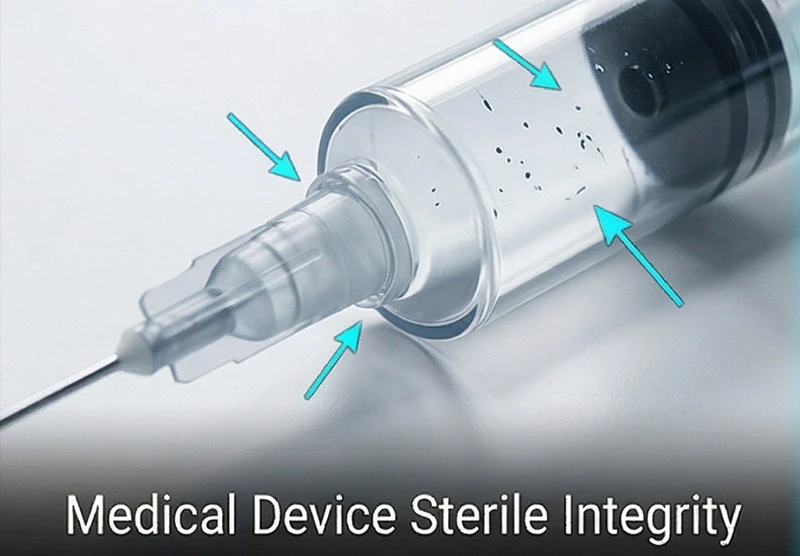
Medical Device Contamination
Ensuring sterile integrity by detecting particulate matter, seal breaches, or hairline cracks on vials, syringes, and medical packaging.

Food & Beverage Packaging
Monitoring label alignment, cap torque, and seal integrity to prevent product recalls and ensure brand quality.
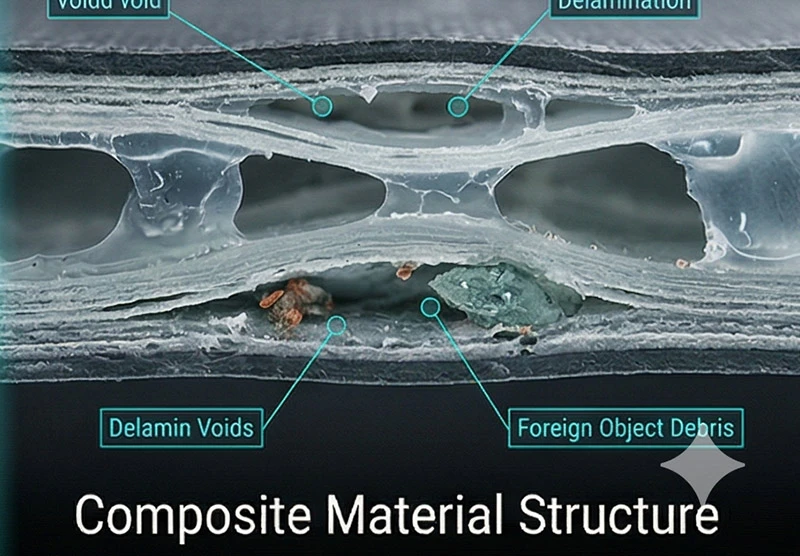
Composite Material Inspection
Identifying voids, delamination, or foreign object debris within layered composite materials for structural integrity.